What Are the Risks of Damaged Batteries? Fire, Toxins, and Practical Prevention

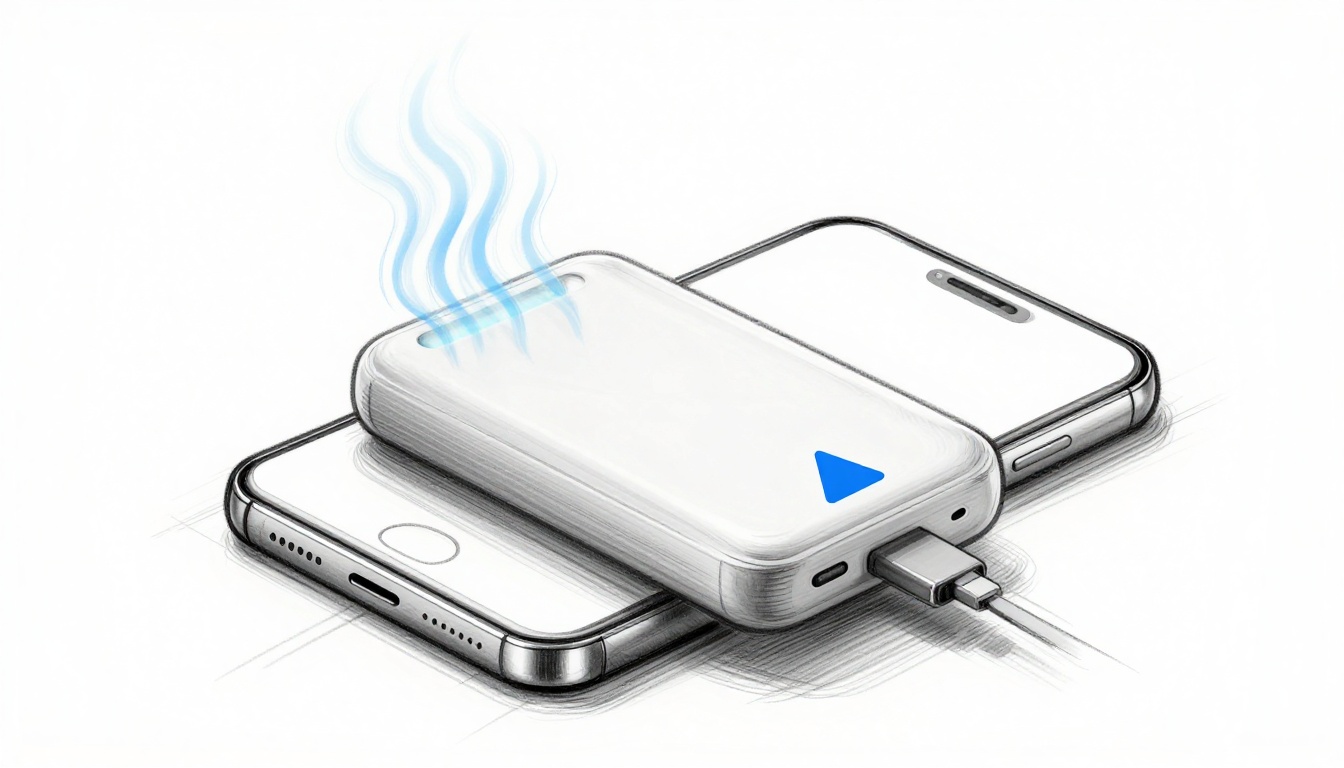
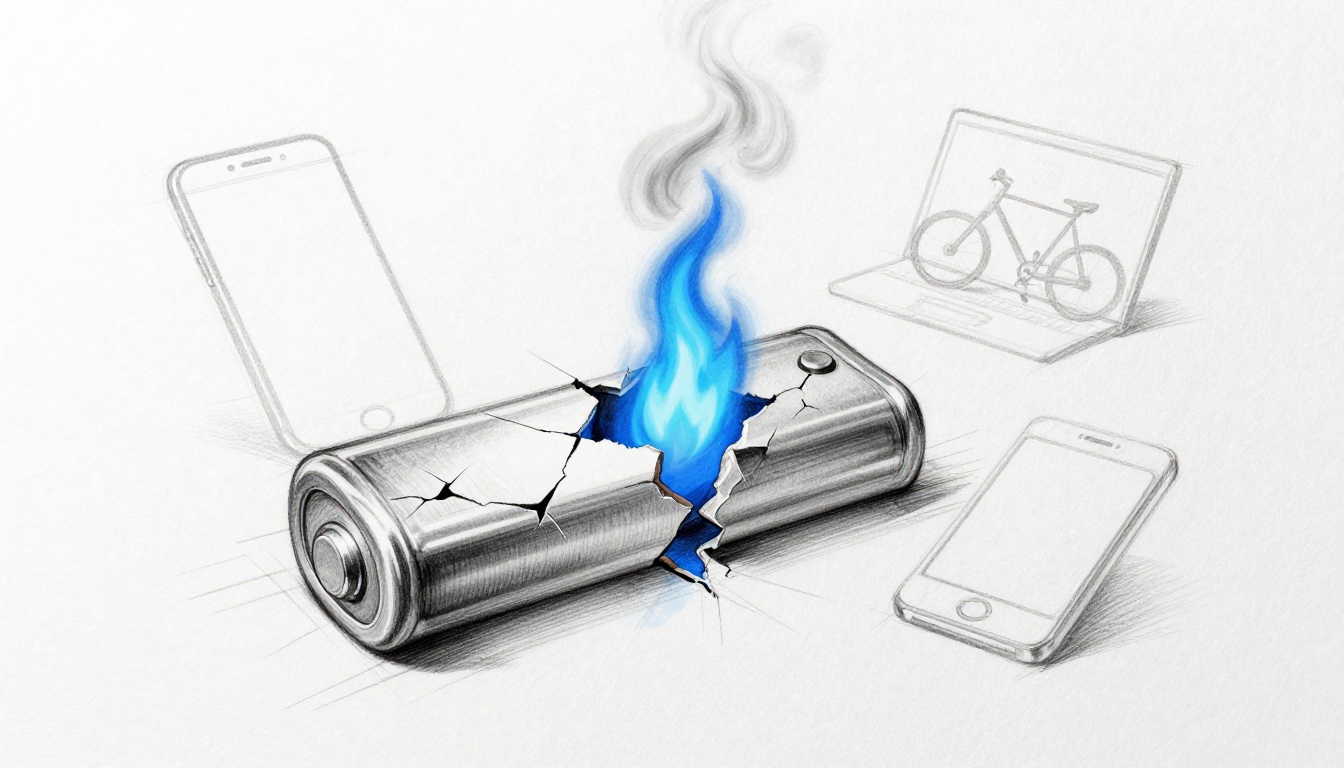
A damaged lithium-ion battery can fail in a way that does not stay small. The U.S. Consumer Product Safety Commission (CPSC) has reported over 25,000 overheating or fire incidents involving lithium-ion batteries across many consumer products over a multi-year period ending around 2018-2023. Those events can lead to rapid fire spread, toxic fumes, and serious … Read more

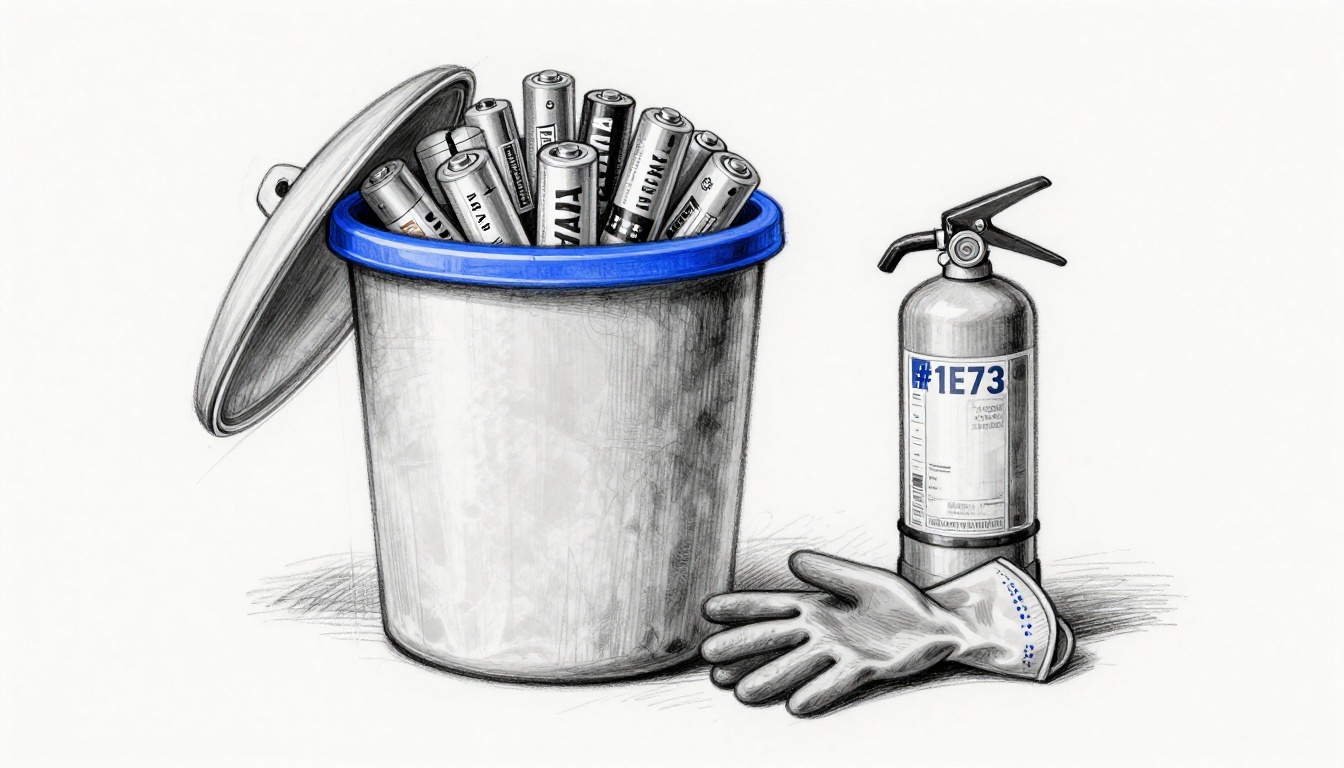
How to Dispose of Batteries Properly (and Avoid Trash Truck Fires)

A battery thrown into regular trash can end up doing more than sitting in a landfill. In March 2026, lithium batteries were linked to trash truck fires in Burlington, Iowa and Media, Pennsylvania, after batteries ignited during compaction and transport. These events create cleanup costs, safety risks, and air pollution. Because of that, the obligation … Read more

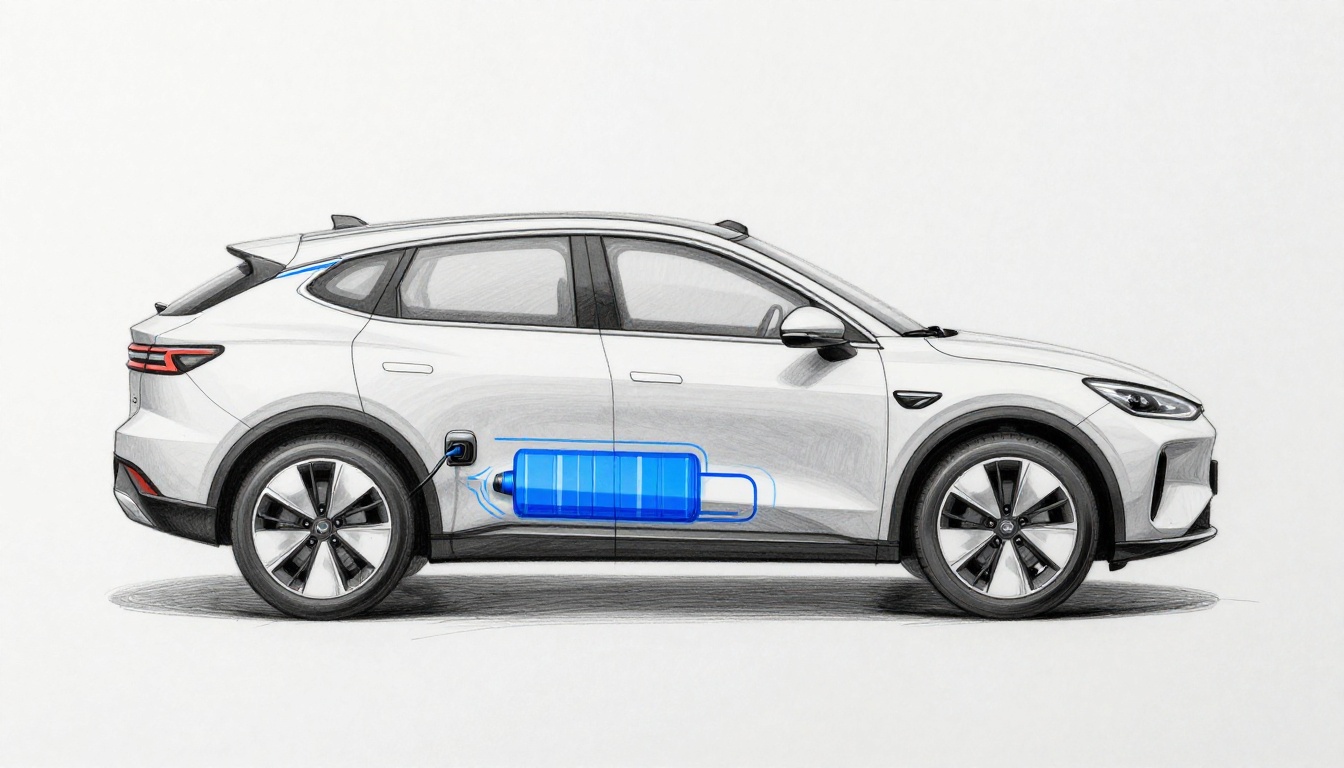
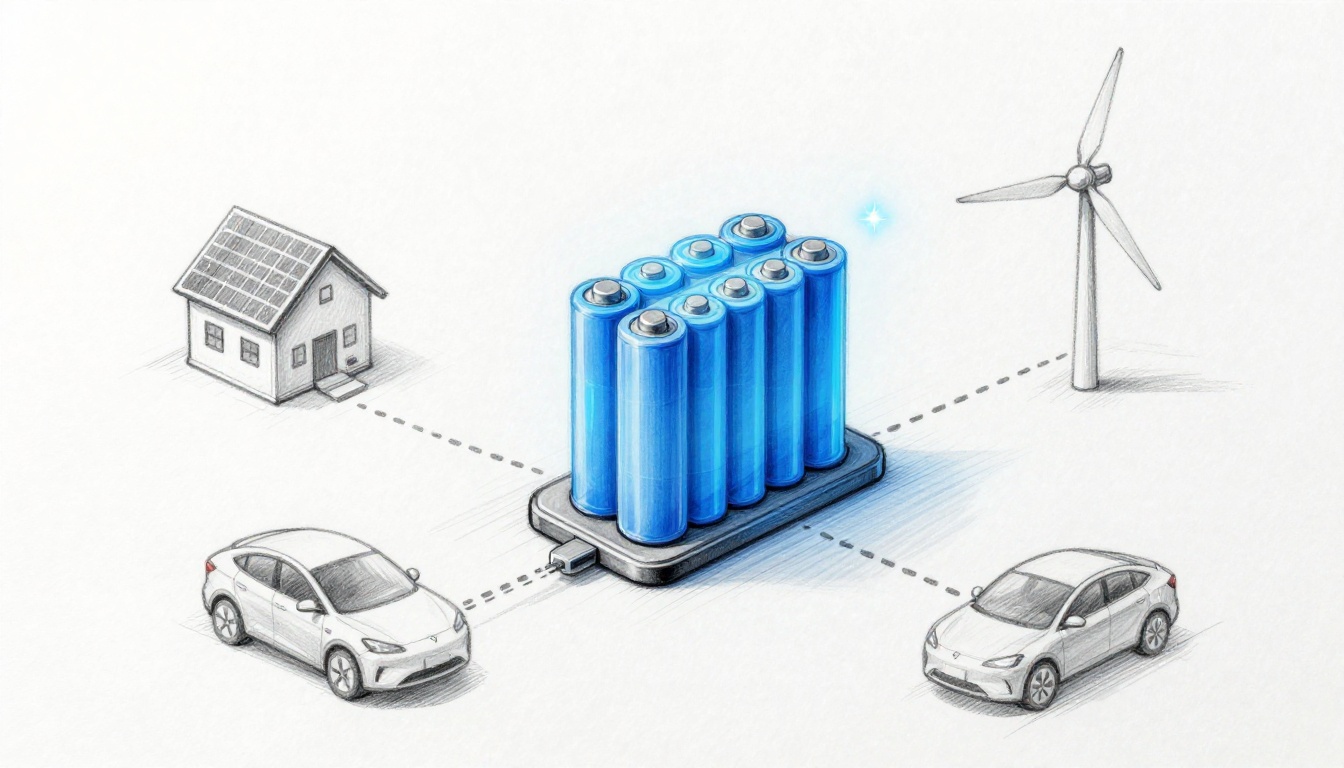
How Are Batteries Used in Electric Vehicles? Chemistry, Power, Charging, and Safety

Silent acceleration, smooth starts, and no engine noise come with a condition. Your batteries in electric vehicles must store energy, manage it safely, and deliver it on demand. In practice, that battery pack becomes the vehicle’s main energy source, feeding electricity to the drive motor through controlled power electronics. Because EV systems run on electricity, … Read more

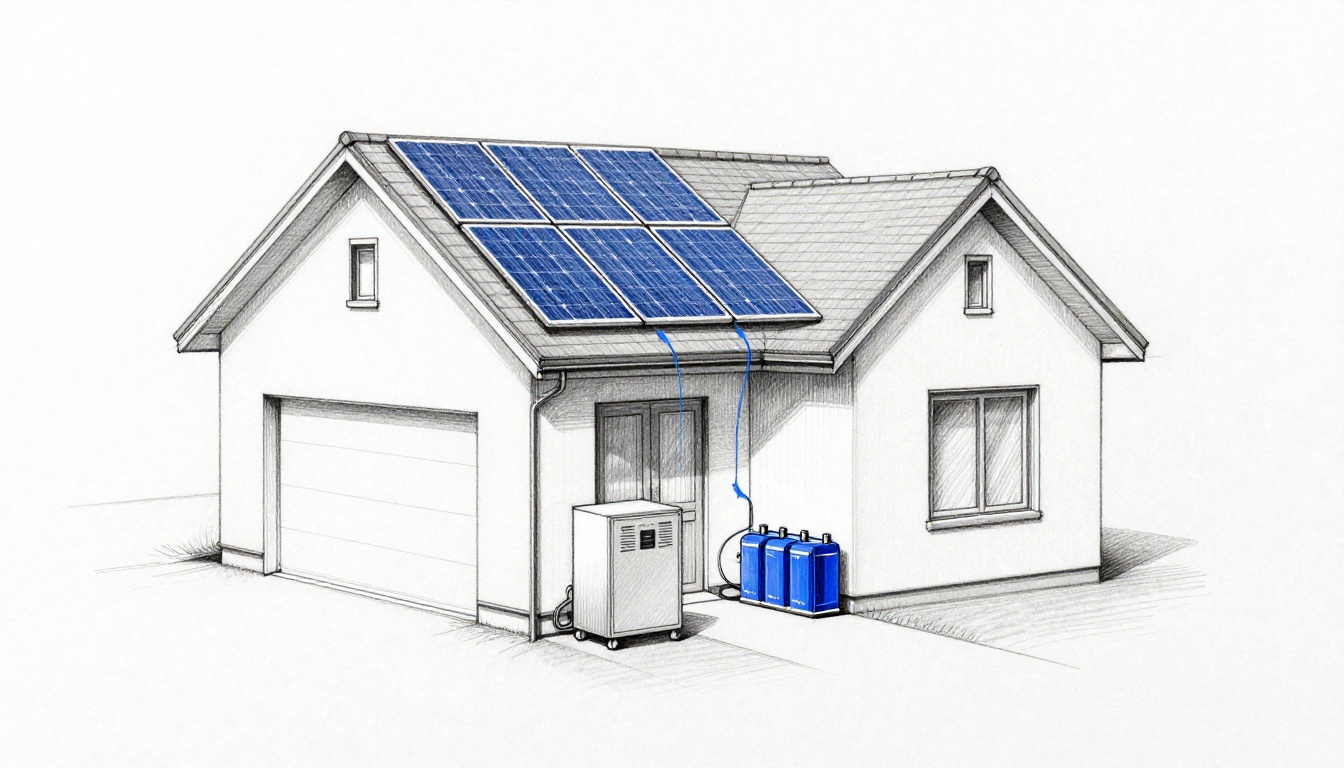
How Do Home Energy Storage Systems Work? Batteries, Inverters, and Backup Power

If your energy bill keeps climbing, you’re not alone. In early 2026, many US homeowners also face more frequent outages and tougher peak-rate pricing. That’s where home energy storage systems can help. A storage system captures extra power from solar panels or the grid, then saves it in batteries. Later, it releases that power to … Read more

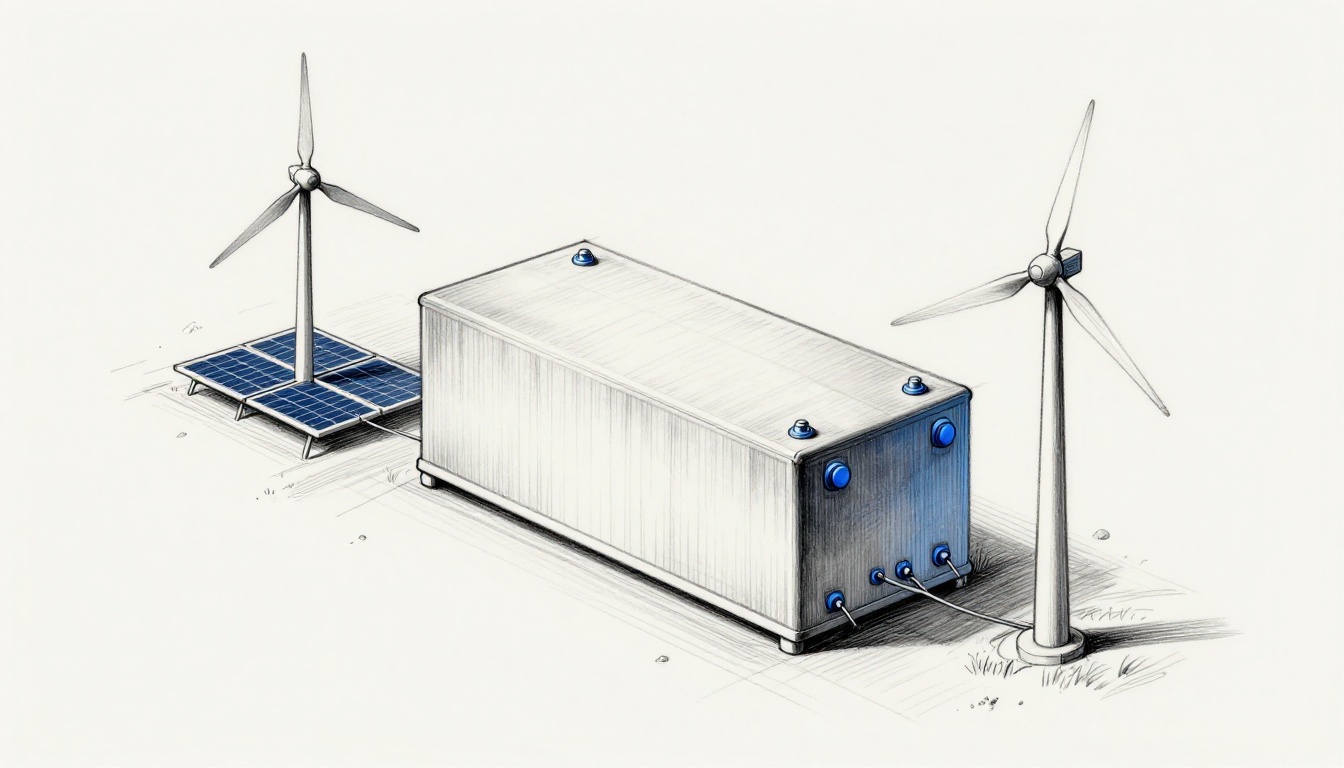
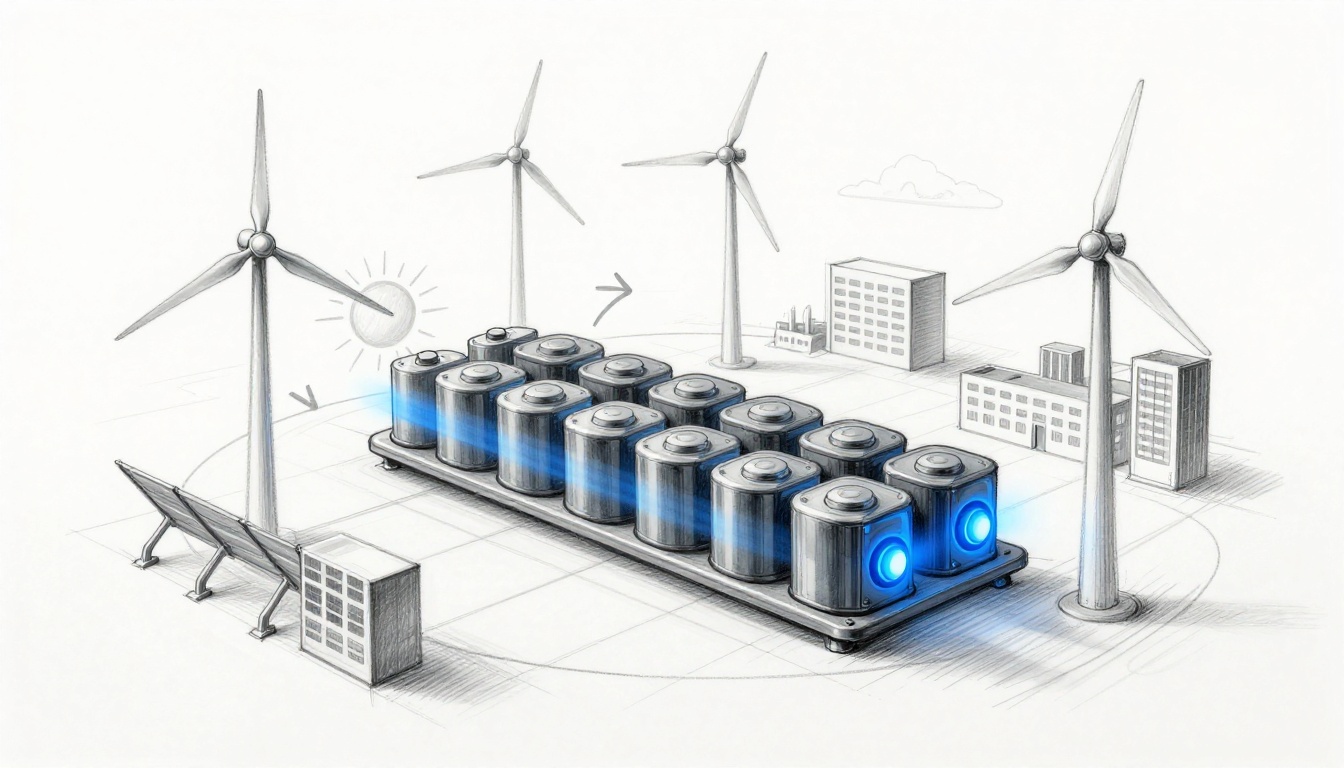
What Is the Future of Energy Storage Systems? Batteries, Long-Duration Tech, and What Changes by 2030

Solar and wind can’t always match when people need power. Energy storage systems fix that by saving electricity when it’s available, then releasing it later. That matters for more than homes. Data centers, hospitals, and factories need power that stays steady, even when the grid hiccups. So batteries are moving from “nice to have” to … Read more