A battery fire can start with something that looks harmless: a drawer packed too full, a warm garage shelf, or mixed batteries that should never touch. In the U.S., lithium-ion battery incidents linked to improper storage have continued to rise, with 2025 waste and recycling fires reaching a record 448 events. For households, the common pattern stays the same: heat, damaged cells, or short circuits created by loose terminals.
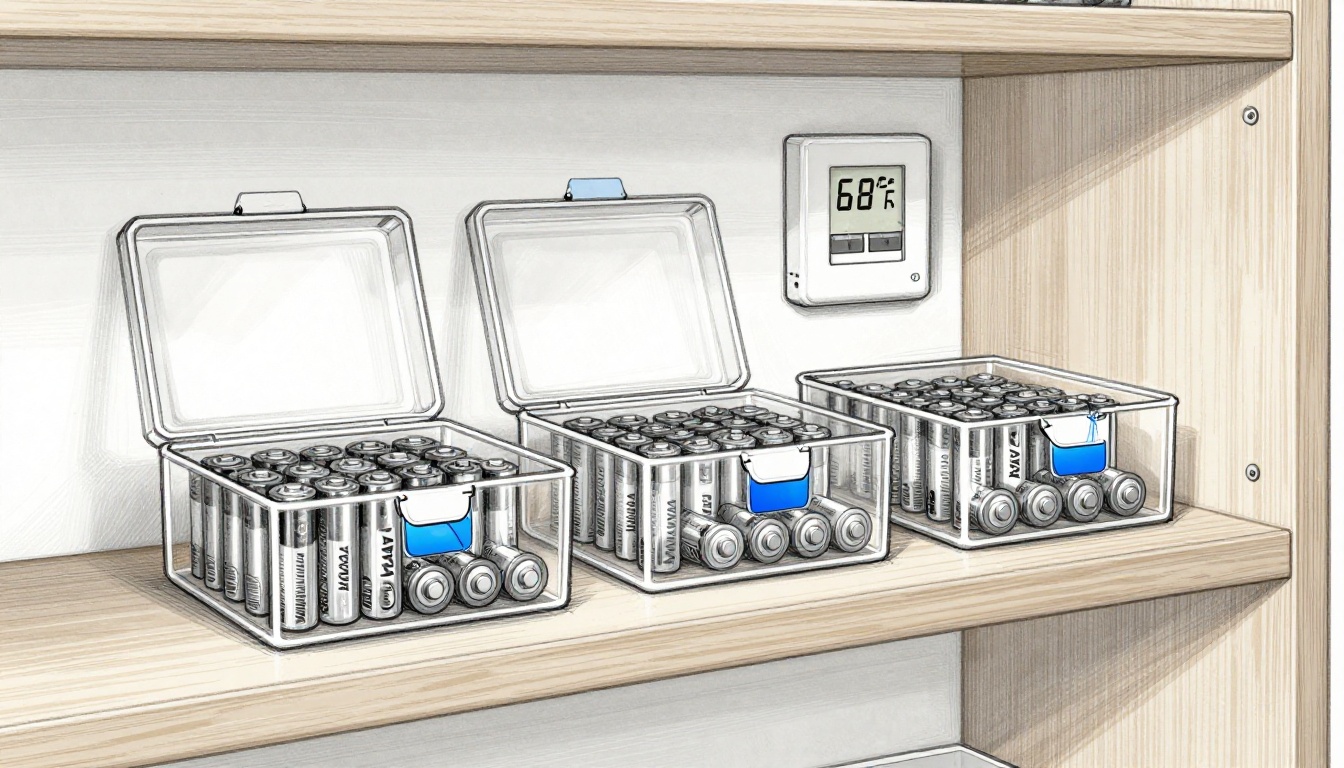
If you store batteries safely, you reduce the chance of leaks, shorts, and thermal runaway. You also slow normal aging, so batteries last longer. For most indoor storage, maintain a temperature around 50 to 77°F (10 to 25°C) with low humidity under 50%, and keep batteries away from flammables and kids.
Ready to store smarter?
Find the Perfect Cool and Dry Spot for Your Batteries
Battery storage conditions affect both safety and service life. Temperature controls the chemical reaction rate inside the cells. Humidity increases the chance of corrosion on terminals, which can lead to poor contact and, in some cases, unexpected shorts.
For lithium-ion types, safety risk rises when cells get hot or when damaged packs experience electrical stress. For context on how lithium-ion fire risk spreads across storage and handling conditions, see NIST research on lithium-ion fire risk.
Use this placement rule set:
- Kitchen cabinet (away from the stove): Keep batteries in an interior cabinet, not over the oven or near burners.
- Basement shelf (dry area only): Use only if the area stays dry and does not collect condensation.
- Bedroom drawer (sealed bin): Store batteries in a closed container so terminals do not contact metal.
- Utility closet with stable air: Select a location with few temperature swings.
Do not use these locations, because they create risk through heat, moisture, or contact:
- Garages if they swing too hot or too cold
- Near windows where sunlight can raise temperature
- Next to heaters, vents, or radiators
- Bathrooms or laundry rooms where humidity cycles often exceed safe levels
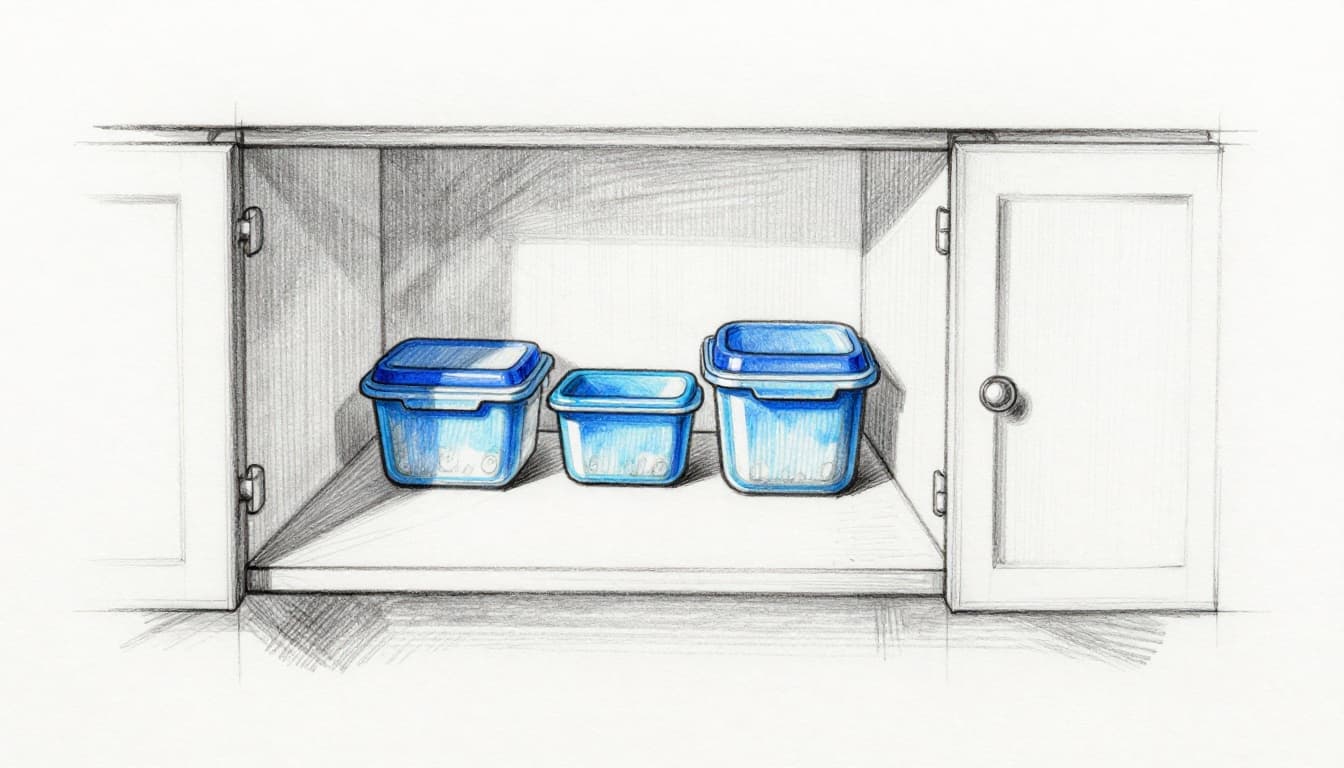
- Under sinks where leaks can expose storage bins
- Near flammables like paper towels, gasoline, cleaners, or paint
Finally, keep batteries away from direct air blasts. Ventilation matters, but direct air flow can also drive moisture and dust.
Handle Temperature Swings to Keep Batteries Healthy
Temperature swings create two separate problems. First, heat accelerates aging and can increase leak risk in alkaline cells. Second, extreme cold can reduce performance and increase the chance of users repeatedly swapping devices, which increases handling and terminal exposure.
In practice, temperature issues usually come from predictable home patterns. A summer attic can run well beyond safe indoor ranges. A winter garage can dip below performance-friendly levels, and moisture can condense when temps shift.
You should manage this with simple controls:
- Use a thermometer (or a room monitor) for the storage area.
- Avoid storing batteries directly on concrete that becomes damp.
- Keep the storage box off the floor when possible.
- Replace the storage location if you observe repeated condensation.
For lithium-ion storage, temperature control matters even more. If a pack is damaged or wet, heat can contribute to a failure chain. When heat and damage combine, the odds of overheating rise, and safeguards become less effective.
Control Humidity to Stop Corrosion and Shorts
Humidity control is a safety requirement, not only a comfort preference. Moisture can form on terminals and inside containers. Over time, it can cause rust, white powder buildup, and weak electrical contact.
When terminals corrode, the battery can heat under load, even if it still appears “mostly normal.” Also, corrosion can bridge gaps, which turns safe spacing into an accidental path for electricity.
To manage humidity during storage:
- Store batteries in a closed plastic bin with a tight lid.
- Consider adding silica gel packets in the bin.
- Keep storage away from damp zones like laundry rooms.
- Dry your hands before handling batteries if your storage area is humid.
If you store batteries for months, humidity control should remain active. A sealed bin plus desiccant generally outperforms “open drawer” storage.
Tailor Storage for AA, Lithium, and Other Battery Types
Battery storage steps shall differ by chemistry. The same rules apply for safety, but the details vary. Terminals must be isolated, and mixed types should not be combined.
Also, do not treat all “rechargeable” batteries as identical. Rechargeables can retain charge longer in storage, and lithium-ion packs may require special handling due to fire risk if damaged.
Everyday Alkaline Batteries Like AA and AAA
Alkaline batteries (AA and AAA) should be removed from devices before long-term storage. While a device might seem stable, it can trap moisture or create gradual terminal pressure.
For alkaline batteries:
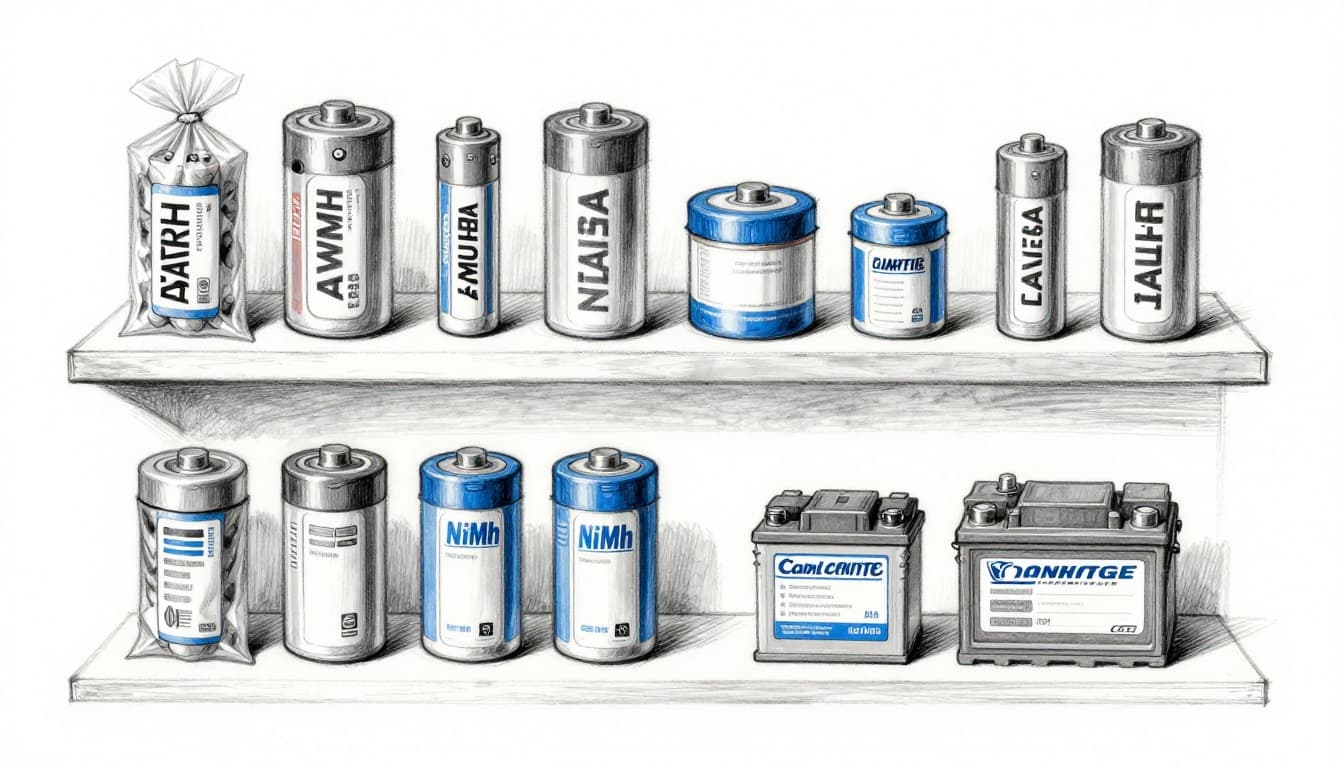
- Store batteries in their original packaging if available.
- If you use bags, use plastic bags and isolate terminals.
- Do not mix old and new batteries in the same pocket or container.
- Inspect for corrosion (white crust or damp spots).
- Discard swollen or leaking cells through proper recycling channels.
If an alkaline battery leaks, it can corrode device contacts and create a messy, conductive residue. Keeping them separate reduces both device damage and clean-up work.
Rechargeable Batteries That Need Partial Charge
Rechargeable batteries (including many NiMH types) should not sit at 0% or 100% for long periods. Over time, extreme states can worsen capacity and raise risk if cells degrade.
For rechargeables:
- Store NiMH rechargeables at about 40 to 60% charge.
- Place them in a cool, dry storage spot (same 50 to 77°F range).
- Recharge them about every 6 months if storage exceeds that period.
- Keep terminals covered to prevent accidental contact.
Operationally, “every 6 months” is a reasonable calendar rule. It is safer than “when you remember.”
Tricky Lithium-Ion Batteries in Phones and Tools
Lithium-ion packs, including those in phones, laptops, and power tools, shall be treated as high-sensitivity items. If a pack shows damage, it must not remain loose in general storage.
Key steps include:
- Store at about 40 to 60% charge when feasible.
- Keep storage near 59°F conditions, meaning close to the lower-middle indoor range.
- Use fire-resistant bags or approved storage containers.
- Check labels and follow the manufacturer’s storage guidance.
For an institutional reference on lithium battery handling and storage practices, consult University of Michigan lithium battery guidance (PDF).
Also, inspect lithium-ion packs for dents, swelling, or damaged seals. A damaged pack should be isolated immediately.
Heavy Car Batteries in the Garage
Car and hybrid batteries require a different routine because they are larger and can carry more stored energy. Still, basic safety logic holds: keep them upright, isolate terminals, and reduce exposure to moisture.
Your storage controls shall include:
- Store upright, not on their side.
- Use terminal covers or caps to reduce short risk.
- Disconnect terminals if the battery will sit for long periods.
- Perform monthly checks for corrosion or swelling.
- Keep away from fuel containers and flammable solvents.
If your garage swings between extreme summer heat and winter cold, use a stable shed area if available. The objective remains the same: reduce stress and moisture.
Pick Containers That Block Shorts and Fires
Containers shall prevent terminal contact and reduce exposure to moisture. They also reduce the chance that loose batteries land on metal tools or coins in a drawer.
When choosing containers, match the container to battery risk:
- Use original packaging for alkaline batteries whenever possible.
- Use sealed plastic bags for grouped cells.
- Use a non-conductive organizer with dividers to keep batteries separated.
- For lithium, use fire-resistant bags rather than general craft bins.
- Cover terminals with tape or caps when terminals are exposed.
One practical approach is to keep separate bins for each chemistry and age group. Many storage failures occur after people combine “a few extras” into one mixed pile.
Tape Terminals and Use Plastic Dividers
Terminal isolation shall be treated as a default action. Even “brand new” batteries can cause a short if positive and negative points touch.
Use this procedure:
- Remove batteries from devices and wipe any visible residue.
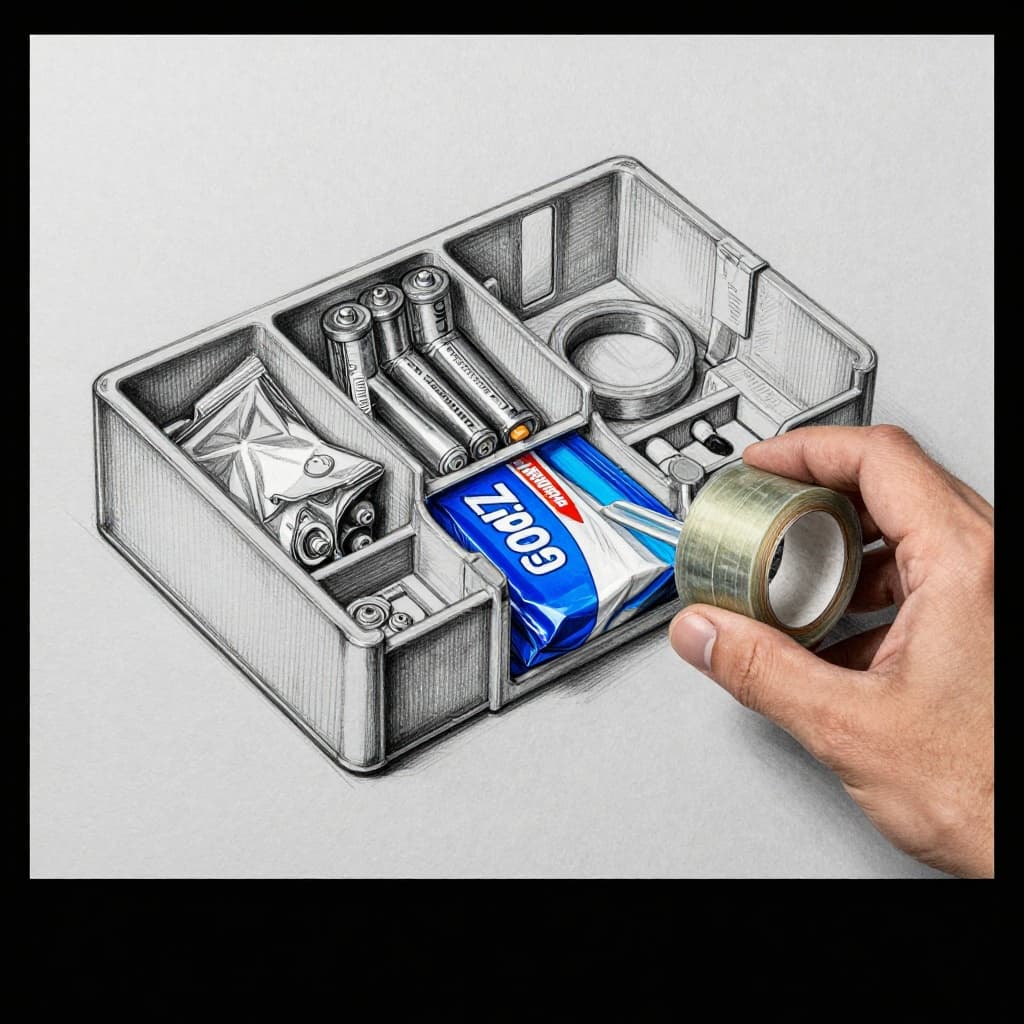
- If terminals are exposed, cover each terminal with tape or a cap.
- Place batteries into a plastic bag or a divider organizer.
- Store the bin in a cool, dry spot, away from flammables.
Plastic dividers reduce movement. They also reduce the odds that a bag shifts and terminals meet.
Fire-Safe Bags for High-Risk Lithium Types
Fire-resistant bags are intended to reduce spread if a lithium pack fails. They should be used for loose lithium-ion batteries, especially spare packs for tools and devices.
In addition, do not pack lithium-ion batteries loosely in metal boxes. Metal boxes can contact terminals and create shorts. For storage, non-metal containment and terminal coverage provide better control.
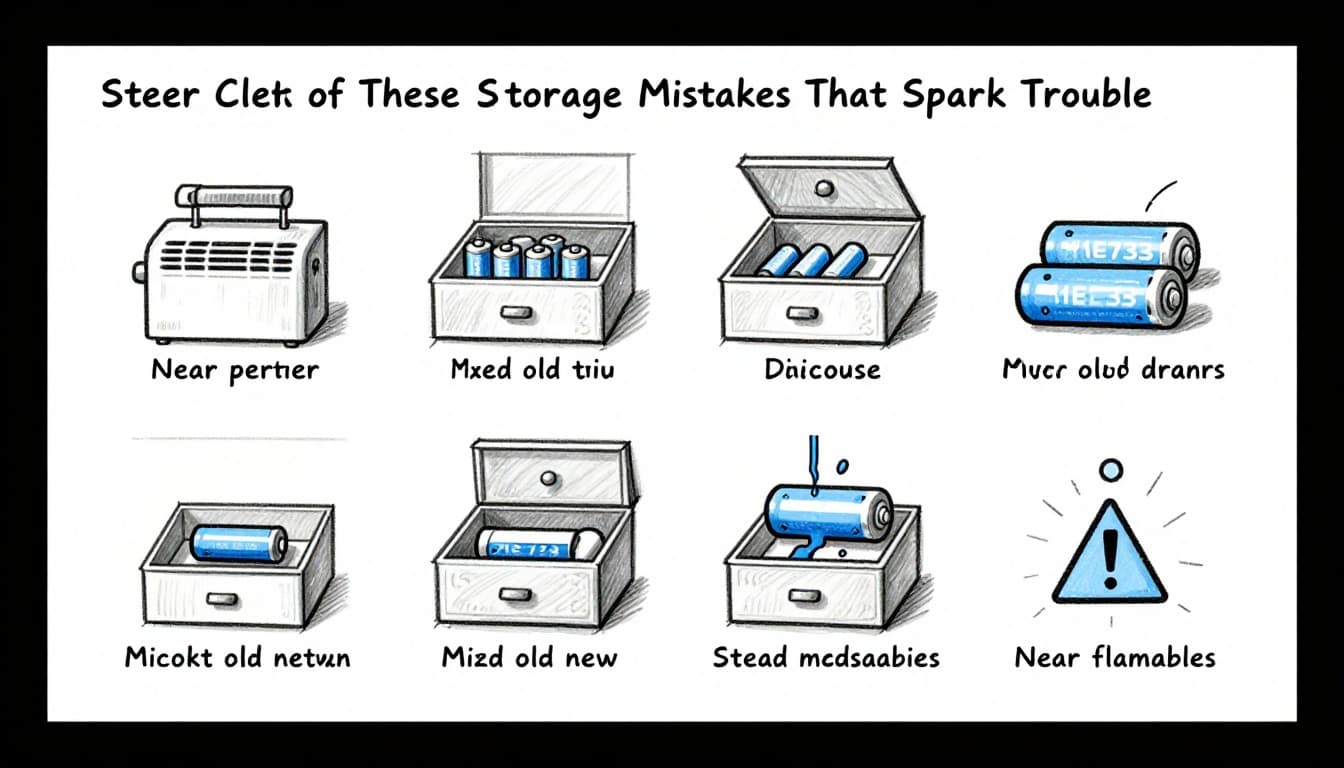
Steer Clear of These Storage Mistakes That Spark Trouble
Safety failures often start with familiar habits. The following errors create avoidable risk. They also increase the chance of damage during long storage.
- Storing batteries near heat or flammables: Warm temperatures speed aging, and flammables increase fire spread.
- Mixing battery types and ages: Different chemistries discharge and behave differently. Mixing can raise leak odds and device failure risk.
- Leaving rechargeables at full or empty states: Extreme storage states degrade cells. They also make periodic recharging harder.
- Ignoring damage: Swelling, rust, or odor should trigger isolation and proper disposal.
For a general at-home storage overview that aligns with common “cool, dry, avoid mixing” practices, see how to store batteries long-term.
In short, safe storage is not complicated. It is, however, consistent.
Never Mix Old and New Batteries Together
Mixing old and new batteries in the same container can create uneven discharge. It can also increase contact instability, especially after terminals corrode slightly.
You should keep batteries grouped by:
- battery type (alkaline, NiMH, lithium-ion),
- age (new vs used),
- and condition (no damage vs inspected and acceptable).
When separation is enforced, users also reduce the chance of accidental device mixing later.
Watch for Swollen or Leaking Batteries First
Swelling is a high-risk sign. Leaks show residue, rust, or odor. If you detect any of these, isolation shall occur right away.
Immediate steps shall include:
- Place the battery in a non-conductive container.
- Keep it away from other batteries and flammables.
- Follow local rules for household hazardous waste or battery recycling.
- Do not attempt to recharge a damaged cell.
If a leaking battery contacts device parts, plan a cleanup before reuse. Residue can carry enough conductive material to cause future faults.
Conclusion
Safe storage starts with one decision: keep batteries cool, dry, and separated. Use the indoor range of 50 to 77°F and keep humidity under 50%. Then apply type-specific controls, like partial charge for rechargeables and fire-resistant bags for lithium-ion cells.
Containers that block shorts matter as much as location. Finally, avoid mixing ages and ignore damage signals such as swelling or odor.
Do a quick home audit today, then store batteries safely in a way that protects people, property, and devices. Your safe storage habits protect what matters.