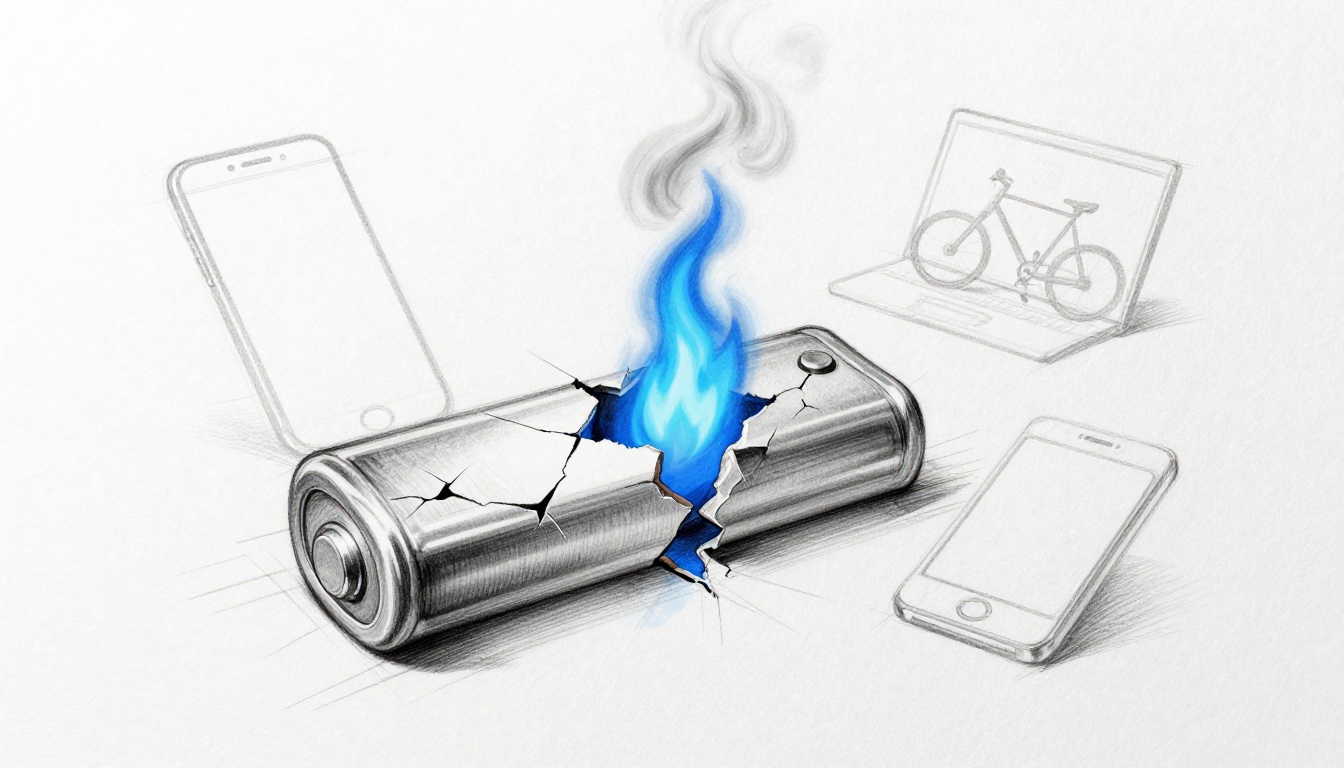
A damaged lithium-ion battery can fail in a way that does not stay small. The U.S. Consumer Product Safety Commission (CPSC) has reported over 25,000 overheating or fire incidents involving lithium-ion batteries across many consumer products over a multi-year period ending around 2018-2023. Those events can lead to rapid fire spread, toxic fumes, and serious property loss.
In practical terms, “damaged batteries” includes batteries that are crushed, punctured, swollen, corroded, overheated, or improperly charged. This matters for the lithium-ion packs inside phones, laptops, EVs, and e-bikes, because the failure mechanism is often the same.
This guide explains the core risks, the most common causes, the warning signs, and prevention steps you can apply right now, with a focus on fire danger and health exposure.
Why Damaged Batteries Can Ignite Massive Fires and Explosions
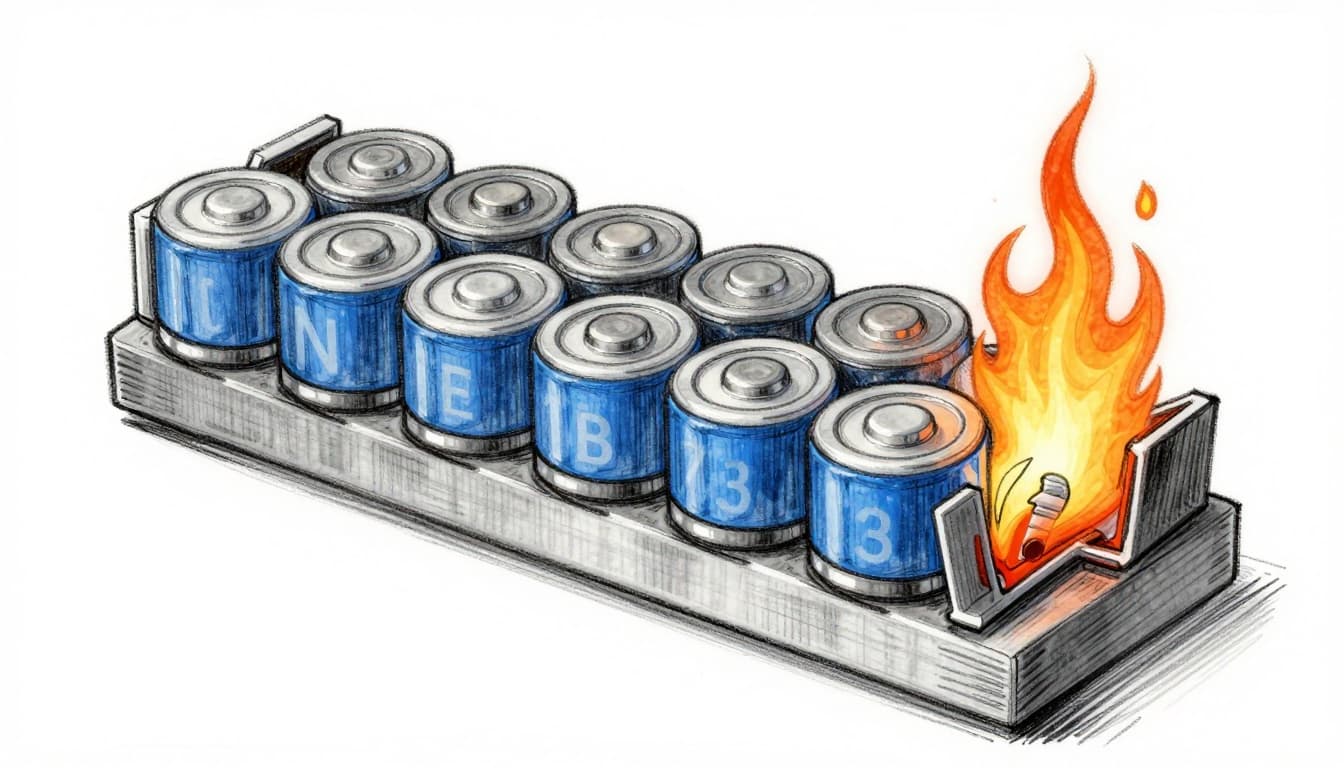
When a lithium-ion battery is physically damaged or electrically stressed, the risk is not limited to one cell. Heat can build inside the pack, and the chemical reactions can accelerate. This condition is commonly described as thermal runaway, which is a self-sustaining failure chain.
For a simple analogy, treat the battery like a runaway train. A damaged separator can create a short circuit. That short can generate heat faster than the battery can cool. As temperature rises, more reactions occur, more heat forms, and the failure escalates. As a result, the event can become hard to stop and harder to extinguish.
A battery fire can start as a small venting event, then escalate as internal heat feeds the reaction loop.
Because lithium-ion packs often sit inside cases, furniture, and storage areas, the fire can spread to nearby materials. Also, many fires involve fast-moving smoke and hot gases, which can reduce visibility and slow escape decisions.
The Science Behind Thermal Runaway
Thermal runaway generally follows a chain of events that begins with damage or abuse, then proceeds through heat, chemical release, and ignition. The specific path depends on cell design, but the risk pattern is consistent.
- A separator problem occurs. A crush, puncture, or severe internal defect can break or deform the separator that keeps cell parts apart.
- A short circuit forms. Once parts touch, current surges through a path that was not intended for sustained flow.
- Temperature rises quickly. The short creates heat, and the internal structure may not dissipate it fast enough.
- Toxic and flammable gases vent. Overheated electrolyte and cell materials can release gases.
- Flames and rapid fire spread can follow. Those gases may ignite, and adjacent cells can also enter the same failure state.
During this process, the battery can produce smoke and gases that are dangerous even if flames are not obvious at first. Research and risk analysis across the supply chain show that fire behavior can vary, but the hazard extends beyond the initial ignition point. For a deeper technical framing, see Understanding the Risk of Lithium-Ion Battery Fires from NIST.
If you want an operational takeaway, it is this: once thermal runaway starts, it becomes a progressive failure, not a contained malfunction.
Shocking Real-Life Fire Stats
Battery incidents are not rare at the city or product level. Several recent reporting streams point to rising fire exposure, especially for e-bike and scooter batteries stored and charged in dense spaces.
In the U.S., CPSC tracking indicates a large volume of incidents, with over 25,000 reported overheating or fire incidents tied to lithium-ion batteries across many consumer products within the covered period. The reporting also notes that a mix of factors can contribute, including damaged batteries, charging issues, and product failures.
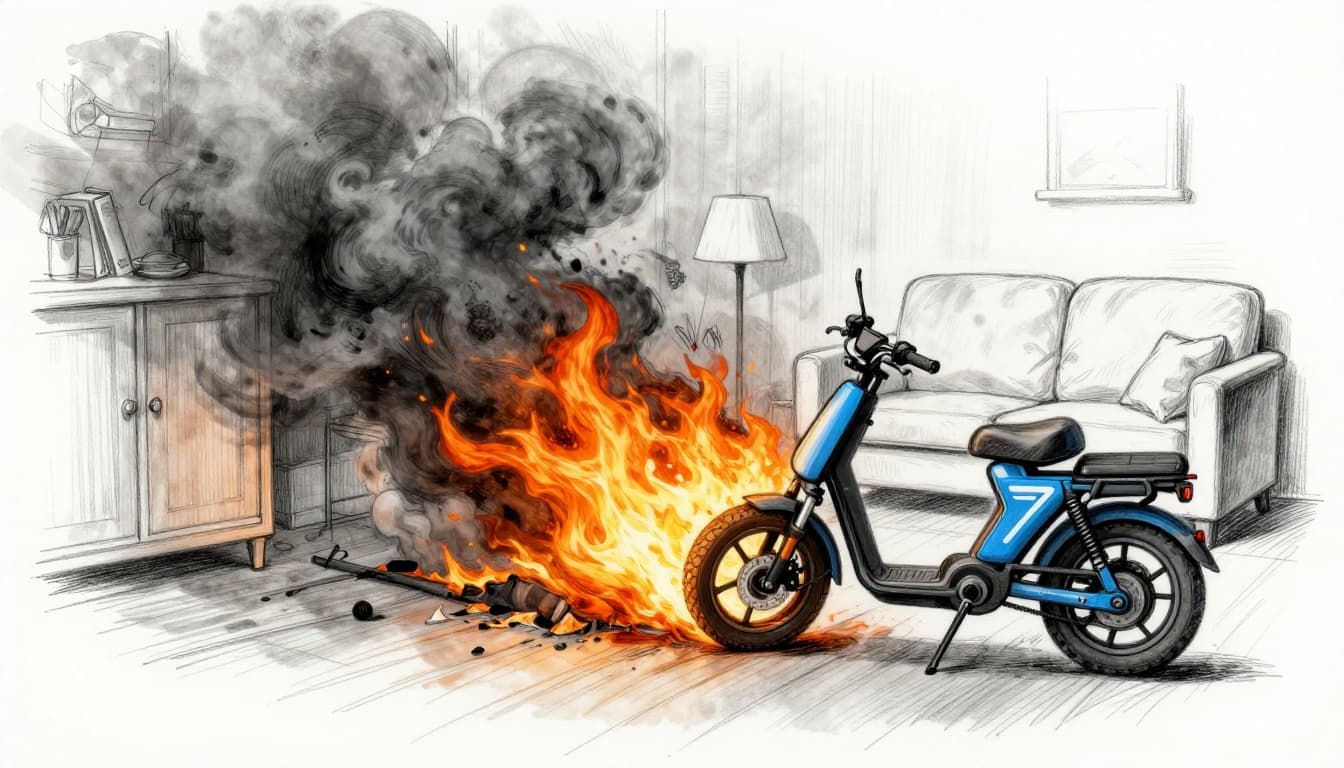
In the UK, London reported 206 e-bike and e-scooter battery fires in 2025, with 171 involving e-bikes alone. This level represented a major increase compared with 12 calls in 2019. As the call volume grew, the operational impact grew too, with firefighters handling these events roughly 17 times per month on average.
For additional risk signals, note that fire and smoke events also occur outside the home, including logistics and waste handling. EPA reporting has referenced hundreds of fires involving lithium batteries across multiple states over multiple years, including events tied to damaged or crushed batteries.
These numbers matter because damaged batteries show up in everyday life. A phone dropped earlier, a laptop used on a cheap charger, a scooter stored in a warm hallway, or an EV with an active recall can all fit the same hazard category: a lithium-ion system that no longer performs within safe limits.
Hidden Health Threats from Chemical Leaks
Fire is not the only risk. Damaged lithium-ion batteries can vent chemicals that irritate tissues and can cause burns. This exposure can occur during venting, during suppression, or after a fire is “out” but the area is still contaminated.
A key hazard associated with lithium-ion battery fires is hydrogen fluoride (HF). HF can damage the eyes, skin, and airways, and it can be dangerous when inhaled. Medical and clinical reporting has linked HF fumes to lithium-ion battery incidents. For an example of published clinical association, see Hydrofluoric Acid Fumes Associated with Electric Vehicle Lithium Ion Battery Fires on PubMed Central.
In Massachusetts, state toxicology materials for lithium-ion battery fire hazards also describe how electrolyte components may vent and create exposure risk, including risks tied to gas release and contamination. That document is available as a PDF through Toxicology of the Lithium Ion Battery Fire (Mass.gov).
What Poisons Escape from Leaking Batteries
Damaged batteries may release a mix of gases and vapors. The exact composition varies, but common concerns include fluorinated compounds and other electrolyte-related products. Practically, the body impact shows up in predictable ways:
- Breathing irritation and breathing difficulty can occur when fumes reach airways.
- Skin and eye burns can happen after contact with corrosive vapors or residue.
- Secondary contamination can spread to clothing, floors, and nearby surfaces.
Even if you do not see flames, a battery that vents can still create a hazard. Also, once residue settles, cleanup actions can move contaminants into the air or onto the skin.
Environmental impact can also follow. Batteries and fire residue can contaminate soil or water if they are handled improperly. Therefore, disposal and cleanup procedures should follow local safety and waste rules, especially when a battery is leaking.
Top Causes of Damage and Warning Signs to Spot Early
Most battery failures are not “mysterious.” They often result from conditions you can observe, prevent, or stop early. The risk increases when damage intersects with charging behavior, heat, and physical stress.
Damaged battery hazards typically come from four broad sources: electrical stress, physical abuse, heat exposure, and manufacturing or component defects. Each one increases the chance that internal layers degrade or that the protective pathways no longer isolate safely.
If any sign appears, it is prudent to treat the battery as unsafe until inspection and safe handling occurs.
Everyday Ways Batteries Get Ruined
Battery damage commonly starts long before a fire. For example, a battery can be stressed by routine behavior that seems harmless until a defect exists or heat accumulates.
Common triggers include the following:
- Wrong or low-quality chargers (including counterfeit USB-C supplies) that deliver unstable current.
- Overcharging or unattended charging in a space that stays warm.
- Heat exposure such as leaving a device in a hot car or storing a pack near radiators.
- Rough handling, including drops that dent the case or stress the internal cell stack.
- Vibration and impact during worksite use, especially with e-bike or power-tool packs.
- Second-hand batteries with unknown history, including prior repairs or hidden swelling.
A manufacturing defect can also contribute, including cell balance issues that cause uneven heating. When a product has an active recall, continued use can increase exposure risk. Recent recall patterns in the EV market show this can affect large numbers of vehicles quickly, even when drivers follow normal use patterns.
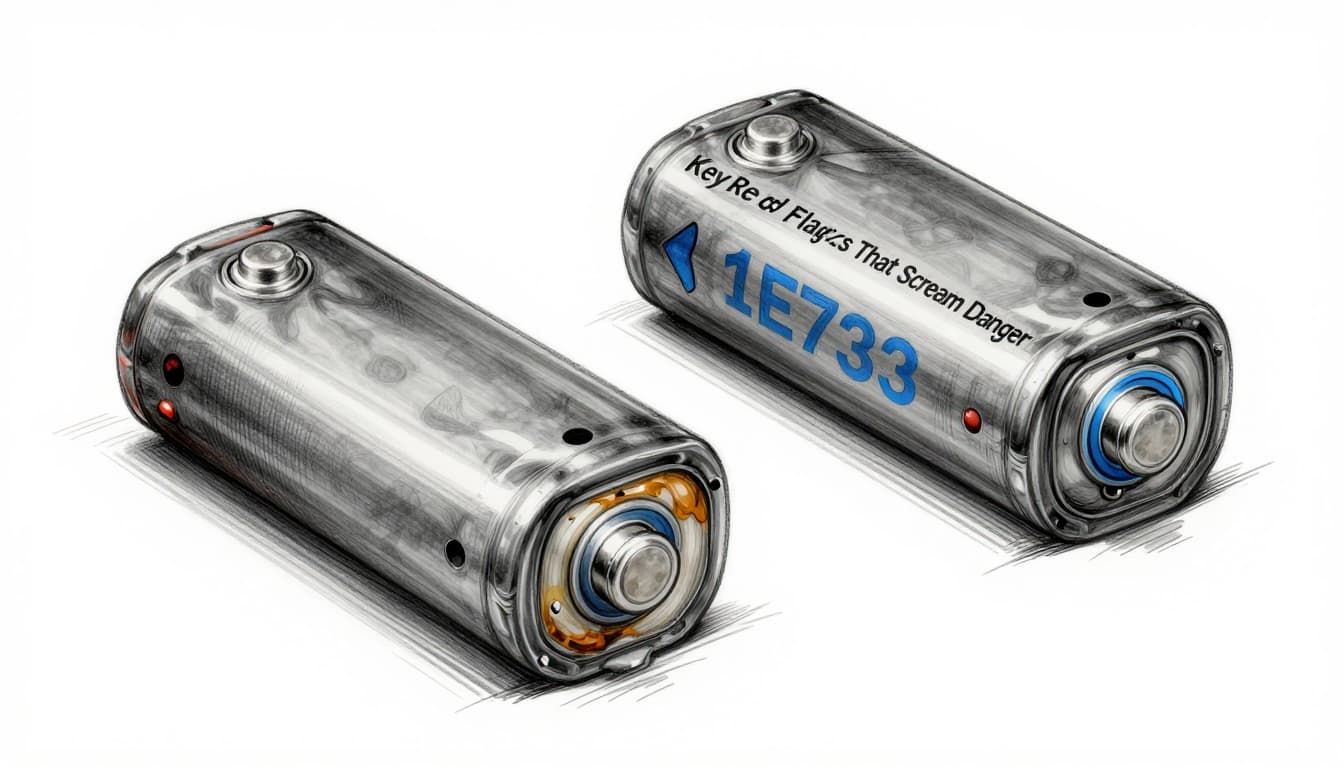
Key Red Flags That Scream Danger
Several warning signs are practical and visible. In policy terms, these signs support an immediate action duty: stop use, isolate safely, and follow safe inspection and disposal procedures.
Look for the following red flags.
- Bulging or swelling, the most consistent physical warning.
- Warmth when the device is idle, especially if heat appears without charging.
- Odd odors, including chemical or “sweet” smells near the pack.
- Corrosion on terminals, which suggests leakage or failure at contact points.
- Leaking liquid or residue, including wet spots around the battery seam.
- Hissing, crackling, or popping sounds, which can indicate venting.
- Fast drain or sudden shutoffs that appear after minor drops.
For clarity, swelling should not be treated as a cosmetic issue. Swelling can mean internal gas buildup or separator failure. In other words, the battery can move closer to thermal runaway even if the device still powers on.
Lessons from Recent Battery Disasters and Recalls
Real incidents and large recalls show what damaged batteries can do when the unsafe condition persists. This section focuses on what those events suggest for everyday prevention: remove known triggers, follow recall guidance, and do not “wait and see” with a damaged pack.
In shipping and vehicle incidents, multiple batteries and vehicle systems can contribute to escalation. In Europe and elsewhere, well-known events involving vehicle cargo fires reinforced that lithium-ion fires may burn intensely and produce hazardous smoke.
On the recall side, recent reporting on EV and battery pack issues shows that defects can affect thousands of vehicles, including through overheating or thermal runaway risk. For example:
- Smart #1 and #3 recalled 18,217 EVs (announced March 2026), tied to battery-part inconsistency and internal resistance issues that can lead to overheating and thermal runaway.
- Zeekr EVs recalled 38,277 BEVs (announced March 2026), citing heat concerns during use or fast charging with thermal runaway risk.
- Mercedes EQA and EQB recalled 19,481 EVs (announced June 2026), with earlier recall action totaling about 32,000 units across related coverage.
- Volvo EX30 recalled 40,000+ SUVs worldwide (2026), linked to overheating battery concerns tied to Geely-China supply chain factors.
These actions are not limited to EV brands. In the U.S., Toyota issued recalls for certain hybrid models tied to a component issue that could lead to power loss and a fire risk from short conditions. Current recall reporting indicates about 55,405 hybrids affected for specific years and model lines.
For additional understanding of how thermal runaway hazard characteristics play out in full battery packs, published research in Scientific Reports provides an example of test-based hazard investigation. See Research on the hazard characteristics of thermal runaway fire in electric vehicle power battery pack.
The practical lesson is procedural: when a recall exists, treat the notice as a risk control requirement. Do not delay corrective action because the vehicle still “works.”
Practical Prevention That Reduces Damage Risks
Because “damaged batteries” can fail without much warning, prevention should focus on control measures you can apply consistently. The goal is to prevent damage, stop unsafe charging, and detect warning signs early.
Operational controls include these items.
First, use OEM or certified chargers. Cheap chargers can produce unstable output, and unstable output can stress cells.
Second, avoid unattended overnight charging in small, enclosed areas. If a battery is under stress, heat and smoke need detection time, not hours of delay.
Third, store packs in a cool, dry place away from flammables. Heat is a common amplifier for battery degradation.
Fourth, inspect batteries as part of routine device care. Swelling, residue, and corrosion should trigger immediate stop use.
Finally, avoid counterfeits and do not create “battery stockpiles” without a safety plan. A pile of damaged or unknown-history batteries increases the number of failure points at once.
Conclusion
Damaged lithium-ion batteries pose two major risks: thermal runaway fire events and toxic chemical exposure. Once internal layers fail and heat accelerates, the event can escalate quickly. Also, HF and other vented hazards can harm health even when flames are limited at first.
The strongest action is simple: treat warning signs as a stop-use trigger, and reduce battery damage risk through certified charging, cool storage, and regular inspection. Start now by checking your phone, laptop, tools, and any EV or e-bike battery for swelling, warmth, odors, or leaks.
If you want safer outcomes, share this post with someone who charges overnight, uses third-party chargers, or stores batteries in tight spaces. What is the one device you will inspect first today?